The Rise of Emotional AI: Are Digital Companions the Future of Human Connection?
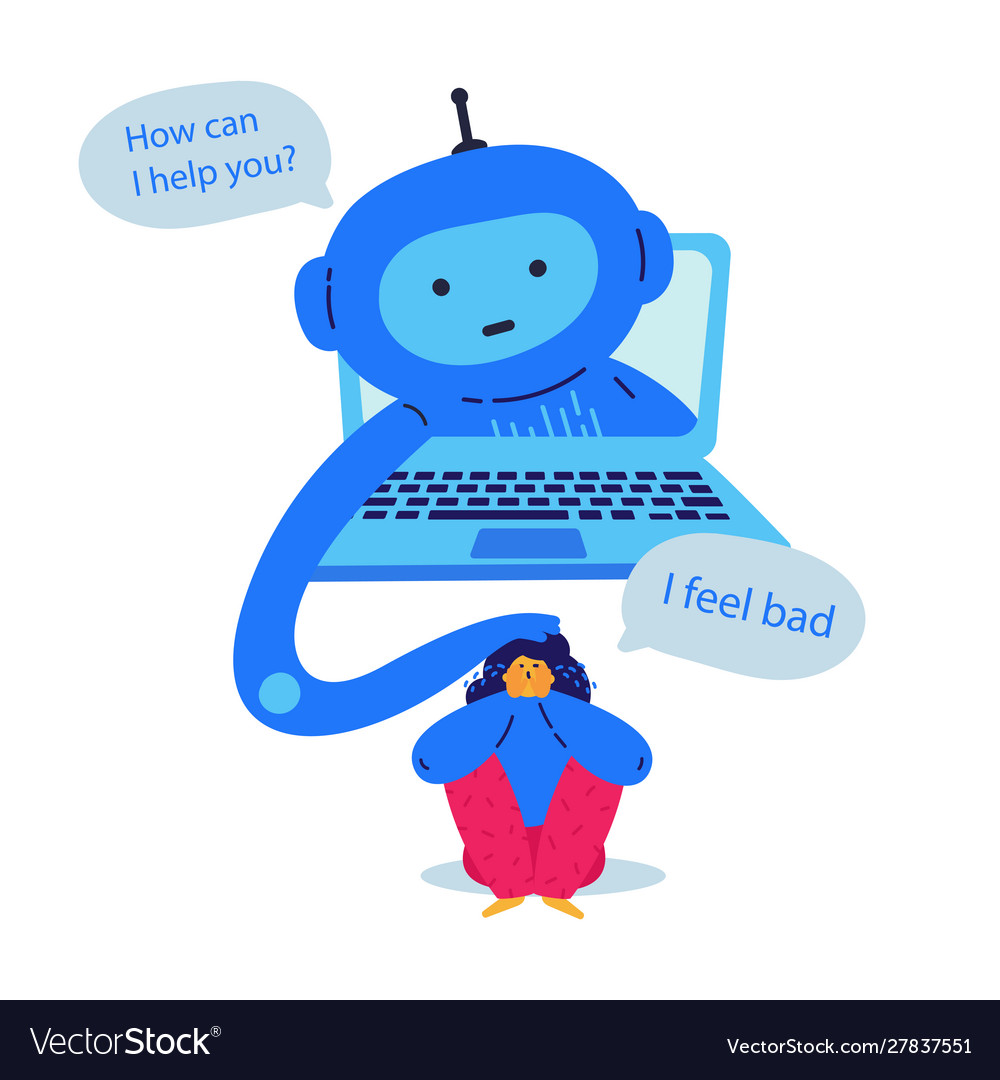
In recent years, artificial intelligence has evolved from a productivity tool into something far more personal. We are no longer just using AI to organize our schedules or summarize long documents. Increasingly, people are turning to AI for companionship. Whether it’s a chatbot that checks in on your mood or a virtual girlfriend who sends you good morning texts, the emotional presence of AI is starting to feel very real.
This shift has sparked a wave of emotional technology, a field that merges psychology, machine learning and human behavior to create systems that seem to understand us. Emotional AI is designed not just to process language or images, but to sense feelings, anticipate needs and even provide comfort. It learns how we talk when we are sad or excited, remembers what matters to us and becomes better at responding in ways that feel meaningful.
Take Replika, one of the most well-known AI companions. Originally launched as a mental health support chatbot, it has grown into a platform where users form deep connections with their AI friends. Some users report feeling understood for the first time in years. Others talk about their AI as a best friend or even a romantic partner. While critics argue that these relationships are artificial and potentially unhealthy, many users insist that the support feels real and valuable.
Why are people so drawn to AI companions? Part of the answer lies in control and consistency. Human relationships are complex, unpredictable and sometimes painful. AI, on the other hand, never judges, never argues and is always available. In a world that feels increasingly fragmented, these digital presences offer a sense of stability. For those who are isolated or struggle with social anxiety, emotional AI can serve as a bridge back into human connection, not a replacement for it.
At the same time, this trend raises important ethical questions. If people start relying on AI for emotional fulfillment, what happens to our ability to connect with each other? Could the widespread use of emotional AI lead to a more disconnected society, even if we feel more “connected” digitally? And who gets to decide how these AI systems behave emotionally? Should they reflect human values, or do we create entirely new emotional norms?
Tech companies are now investing heavily in this space. Meta is developing AI characters with distinct personalities. Startups are launching AI friends tailored to your cultural background, language and life goals. Apple and Google are enhancing their voice assistants to be more conversational and empathetic. The line between tool and companion is blurring fast.
The future of emotional AI is not just about better conversations. It is about reimagining the nature of relationships in a digital age. We are moving toward a world where you might cry to an AI therapist, fall in love with a virtual partner or have your digital assistant comfort you after a tough day. It may sound like science fiction, but it is happening now, quietly and rapidly.
Whether this is a revolution in emotional wellness or a slippery slope away from authentic human bonds depends on how we choose to use these technologies. Like all powerful tools, emotional AI can either help us become more empathetic, aware and connected, or it can deepen the walls between us. The technology is here. What we do with it is up to us.








Post Comment